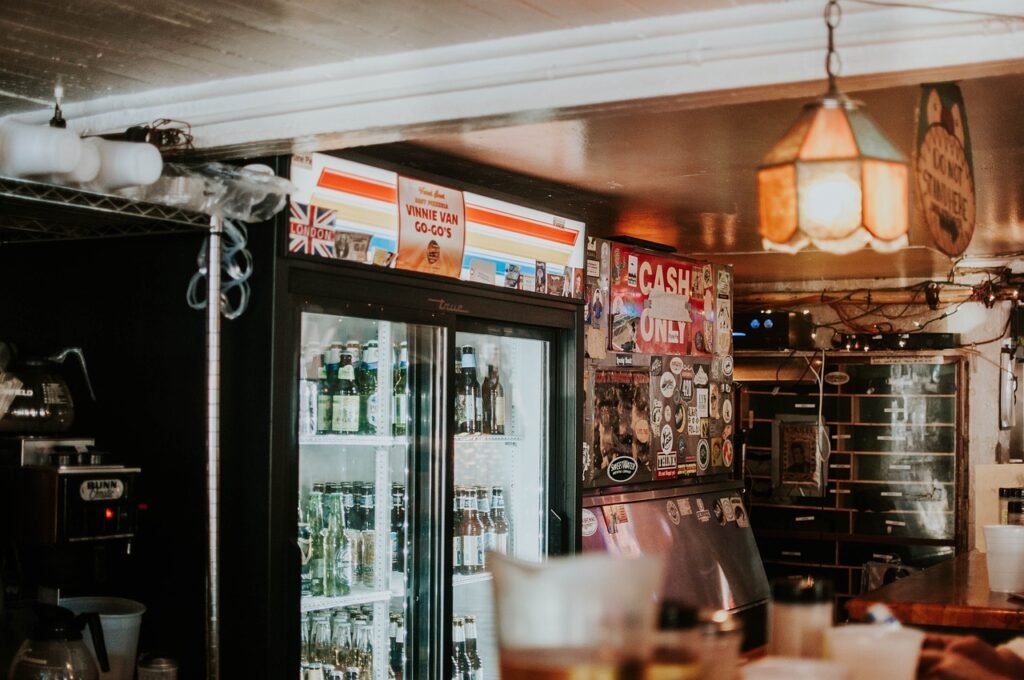
Grocery store advertising has become one of the most powerful marketing channels for brands that want to reach shoppers at the exact moment they are ready to buy. Unlike traditional digital ads that interrupt users while they scroll, grocery store advertising connects with customers inside the retail environment.
As retail media networks grow and supermarkets become digital marketing platforms for brands. Businesses of all sizes are discovering new ways to advertise their brand inside grocery stores. From in-store signage to digital screens, from loyalty data to point-of-sale promotions, this channel is evolving rapidly.
What Is Grocery Store Advertising?
It refers to promotional placements inside or connected to supermarkets, allowing brands to reach shoppers before, during, and after they purchase products. Different digital media are placed in different locations to promote businesses.
Types of Grocery Store Advertising
1. In-Store Displays
These are physical promotional setups placed inside the grocery store. They may include branded stands, product towers, or special display racks.
2. Endcap Promotions
Endcaps are the displays located at the end of store aisles. These are premium spots because customers naturally walk past them.
Endcap advertising gives brands higher exposure and better sales performance. Many consumer packaged goods (CPG) brands compete for these placements because they generate strong product attention.
3. Digital Signage
Digital signage refers to electronic screens placed inside the grocery store. These screens show rotating ads, promotional videos, or special offers.
Digital advertising is growing fast because it allows:
- Dynamic ad changes
- Multiple businesses to share one screen
- Time-based promotions
- Better engagement compared to static posters
Digital screens are part of modern retail media networks.
4. Shelf Advertising
Shelf advertising includes small signs, labels, or “shelf talkers” attached near products. These signs highlight:
- Discounts
- Limited-time offers
- New arrivals
- Recommended products
This type of point-of-sale marketing influences buying decisions right at the shelf level.
5. Cart Advertisements
Shopping cart ads are placed on the inside or outside of carts. Since customers hold and push carts throughout the store, these ads stay visible for a longer time.
Cart advertising works well for local services like:
- Insurance
- Real estate
- Restaurants
- Home repair
It is simple but effective supermarket advertising.
6. Loyalty App Promotions
Most large supermarkets now have mobile apps and loyalty programs. Customers sign up to collect points, receive discounts, and track their purchases.
Through these apps, brands can run:
- Sponsored product ads
- Digital coupons
- Personalized offers
Push notifications
This form of grocery store advertising uses first-party customer data to target shoppers based on what they actually buy.
Major supermarket chains such as Walmart, Kroger, Whole Foods Market, Target, Costco, Albertsons, and Safeway now operate advanced retail advertising platforms. Grocery stores are no longer just retail locations. They are data-driven media ecosystems.
Why Grocery Store Advertising Works So Well
1. Shoppers Are Ready to Buy
Customers inside grocery stores have strong purchase intent. They are already planning to spend money. Grocery store advertising reaches customers during decision-making moments more efficiently than social media advertisement.
2. High Foot Traffic
Supermarkets attract thousands of weekly visitors. Even smaller neighborhood stores generate steady daily traffic. For advertisers, this means repeated exposure. People visit the store and see the advertisement on a daily basis. One can choose a high-traffic location for digital advertising.
3. Data-Driven Targeting
Retailers collect first-party shopper data through loyalty programs and purchase history. Platforms like Walmart Connect and Kroger Precision Marketing use this data to deliver targeted promotions.
Types of Grocery Store Advertising
Grocery store advertising can be divided into several major categories.
1. In-Store Physical Advertising
Endcap Displays
Product displays placed at the end of aisles. These increase visibility and impulse purchases.
Shelf Talkers
Small promotional signs attached to shelves.
Floor Graphics
Printed branding placed directly on the floor.
Shopping Cart Ads
Advertisements placed inside or outside carts.
2. Digital Grocery Store Advertising
Modern grocery store advertising increasingly includes digital media.
Digital Signage Screens
Screens are placed near checkout lanes or high-traffic areas.
Vending Screen Advertising
Digital screens are attached to vending units inside grocery environments.
Self-Checkout Display Ads
Promotions displayed on checkout terminals.
In-Store Audio Ads
Pre-recorded promotional announcements.
3. Retail Media Network Advertising
Retail media networks allow brands to advertise across digital platforms connected to grocery retailers.
Major examples include:
- Amazon Advertising
- Instacart Ads
Retail media allows:
- Sponsored product listings
- Search ads within grocery apps
- Programmatic display ads
- Off-site retargeting
Retail media is one of the fastest-growing segments of digital advertising.
How Retail Media Is Transforming Grocery Store Advertising
Retail media combines in-store advertising with digital targeting. According to industry research from Nielsen and Statista, retail media is growing faster than traditional TV and print advertising.
The reason is that retailers own valuable first-party data. They know:
- What customers buy
- How often do they shop
- Which brands do they prefer
- Price sensitivity
- Shopping frequency
This allows hyper-targeted advertising campaigns.
Grocery Store Advertising vs Traditional Digital Ads
| Feature | Grocery Store Advertising | Social Media Ads |
| Purchase Intent | Very High | Medium |
| Physical Presence | Yes | No |
| Data Targeting | Yes (Retail Data) | Yes (Behavioral Data) |
| Competition | Lower in-store | Very High Online |
| Attention Level | Focused | Distracted |
The physical environment often results in stronger brand recall.
How Much Does it Cost?
Costs vary based on store size, location, and advertising format.
Physical Display Advertising
- Endcaps: Premium pricing
- Shelf signage: Lower cost
- Cart ads: Moderate pricing
Digital Screen Advertising
- Monthly flat rate
- Cost per impression (CPM)
- Revenue share models
Retail Media Network Ads
- Cost per click (CPC)
- Sponsored listing fees
- Programmatic bidding
Small local stores often offer affordable advertising packages compared to national chains.
Grocery Store Advertising for Small Businesses
You don’t need to be a national brand to use grocery store advertising.
Local businesses can:
- Advertise on digital vending screens
- Partner with independent grocery stores
- Promote services near checkout areas
- Run coupon promotions
- Place posters near entrance areas.
Best Grocery Store Advertising Ideas
Here are proven strategies:
1. Promote Limited-Time Offers
Create urgency inside the store.
2. Use QR Codes
Drive in-store shoppers to websites.
3. Offer Discount Coupons
Encourage people to take action immediately.
4. Use Digital Screens for Rotating Ads
Multiple businesses can share the same screen.
5. Cross-Promote Complementary Products
For example, pasta brand + sauce brand.
Measuring ROI in Grocery Store Advertising
Tracking effectiveness is essential.
Metrics include:
- Sales lift
- Redemption rates
- Coupon usage
- Foot traffic increases
- Brand recall surveys
- Customer acquisition cost
Retailers often provide performance dashboards for digital campaigns.
The Role of Consumer Packaged Goods (CPG) Brands
Consumer packaged goods (CPG) companies heavily invest in grocery store advertising.
They compete for:
- Shelf placement
- Endcap visibility
- Digital featured spots
Retailers often charge slotting fees for premium product placement.
Omnichannel Strategy: Online + In-Store
Modern grocery store advertising connects:
- Physical displays
- Mobile apps
- Email marketing
- Loyalty programs
- Sponsored search ads
This omnichannel approach increases brand touchpoints.
Future Trends in Grocery Store Advertising (2026 and Beyond)
- AI-Powered Personalization: Dynamic ads based on shopper profiles.
- Smart Carts: Interactive shopping carts with digital displays.
- Programmatic In-Store Screens: Real-time bidding for screen ads.
- Geofencing Technology: Mobile ads triggered when customers enter store zones.
- Data Partnerships: Retailers partnering with analytics firms like IRI and eMarketer. Retail media will continue expanding.
Frequently Asked Questions (FAQs)
Yes. It targets shoppers at the point of purchase.
Costs vary, but local options are affordable.
Yes. Many independent grocery stores allow local advertising placements.
Retail media often delivers higher purchase intent because shoppers are ready to buy.


Leave a Reply